
How to Maintain an Air Compressor for Tractor Use
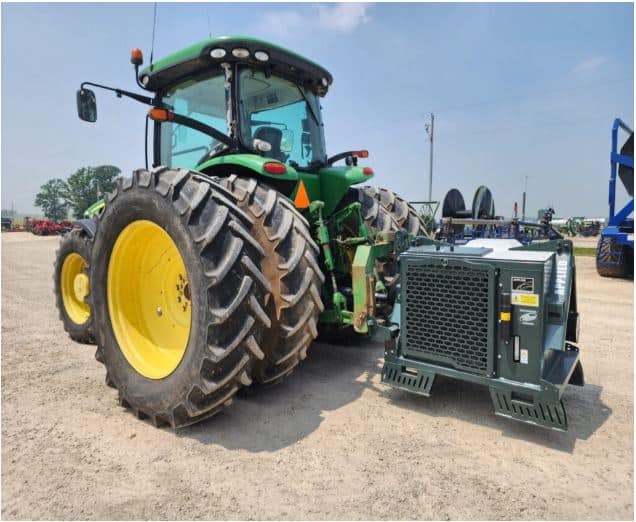
A portable air compressor attached to a tractor for clearing manure hoses and powering pneumatic tools on farms
Air Compressor for Tractor
Portable air compressor for tractor used on farms play an important role in day-to-day operations—from powering pneumatic tools to clearing layflat and drag hoses at the end of a pumping job. However, like any piece of equipment, they must be maintained properly to avoid failure when you need them the most.
The Significance of a Serviced Air Compressor for Tractor Use
A dependable Air Compressor Tractor saves time, reduces downtime, and ensures jobs get done safely. Farmers use portable compressors for tasks such as:
- Clearing manure hoses at the end of dragline pumping
- Running pneumatic tools and shop equipment
- Cleaning debris from radiators, filters, and equipment
- Inflating tires on tractors, tankers, and trucks
Regular maintenance keeps your compressor performing consistently and extends its service life, especially during the busiest pumping and harvesting seasons.
Daily Inspection of Your Air Compressor
A quick daily check prevents major problems later. Before starting your compressor:
Inspect Hoses & Fittings
- Look for cracks, wear, soft spots, or leaks.
- Ensure fittings are tight to prevent air loss under pressure.
Check Oil Levels (If Oil-Lubricated)
- Use the correct oil type recommended for your compressor model.
- Low oil can cause overheating or premature wear.
Clean or Shake Out the Air Filter
- Compressors pull in dusty air—especially around barns, pits, or fields.
- A clean filter prevents overheating and pressure loss.
Listen for Unusual Noises
- Squealing, rattling, or grinding signals that maintenance is needed.
Inspect the Compressor’s Mounting and Power Source
- Confirm fuel levels if engine-driven.
- Check vibration mounts and ensure the compressor sits securely.
Weekly Maintenance Routine
More thorough weekly steps catch issues developing over time:
Drain Moisture from the Tank
Condensation builds quickly. Draining the tank prevents:
- Rust
- Water contamination in athe ir lines
- Reduced air pressure
Lubricate Moving Components
Even engine-driven units benefit from greased linkages and controls.
Check Pressure Gauges & Safety Controls
Accurate gauge readings are crucial for safe hose clearing and tool operation.
Inspect Belts (If Equipped)
Belt-driven compressors can loosen due to vibration—tighten if needed.
Clean the Exterior Surfaces
Dust, chaff, and manure residue hold moisture and can corrode components.
Monthly Deep Cleaning & Inspection
Once a month, take time for more detailed care:
Clean the Intake System
Remove the air filter housing cover and clean debris that may restrict airflow.
Inspect the Engine (for Gas/Diesel Compressors)
- Check spark plugs or glow plugs
- Inspect fuel lines
- Clean cooling fins
Check Valves, Seals & Connections
Look for air leaks or worn gaskets—especially at high-pressure points.
Inspect the Tank Interior
Use a light to check for early signs of corrosion.
Test Run Under Load
Let the compressor build pressure and cycle—listen for misfires, surging, or overheating. These steps help prepare your compressor for demanding farm work, such as hose clearing during manure application season, with reliable support from Phil’s Pumping & Fabrication.
Tools and Parts You’ll Need
A simple maintenance kit should include:
- Wrenches and socket sets
- Replacement air filters
- Compressor oil
- Thread sealant (pipe dope or Teflon tape)
- Spare couplers and quick-connect fittings
- Fuel filters and spark plugs (for engine-driven compressors)
Farm shops often stock these basics alongside hoses, fittings, and other equipment needed for manure handling systems.
Common Mistakes to Avoid
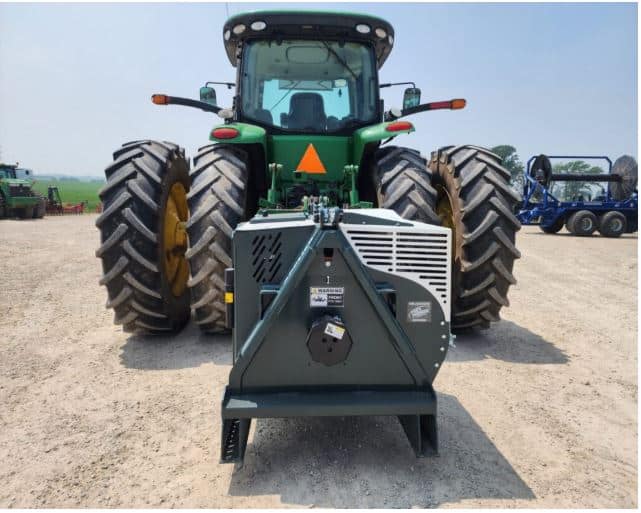
Tractor-mounted air compressor providing reliable air pressure for hose clearing and farm equipment servicing
Avoid these issues to extend the life of your compressor:
- Skipping oil changes → leads to overheating or engine wear
- Running with a dirty air filter → reduces airflow and pressure output
- Ignoring moisture in the tank → causes corrosion
- Exceeding the rated PSI → risks hose bursts or equipment damage
- Using undersized compressors for heavy tasks → causes overheating and premature failure
Your air compressor must be properly sized for the tools and attachments you operate.
When to Call the Pros
Call for professional service if you notice:
- Excessive vibration
- Loss of pressure output
- Failure to build or maintain PSI
- Engine performance issues
- Safety valves are not functioning correctly
Trained technicians can diagnose deeper mechanical problems, test components under load, and ensure your unit is safe and ready for demanding farm use.
Conclusion
Maintaining a portable air compressor is straightforward but essential. With regular care—oil checks, filter cleaning, tank draining, and periodic inspections—your compressor will run reliably for years. Whether you’re clearing drag hoses, powering tools, or servicing equipment, a dependable air compressor saves time, prevents downtime, and keeps your operation running efficiently.
A well-maintained compressor means smoother days, fewer breakdowns, and better productivity across your farm. For more details and information, visit our Facebook page
Frequently Asked Questions
How often should I drain the air compressor tank?
Daily—especially in humid conditions. Moisture builds quickly and causes rust and air contamination.
Can I use my air compressor to clear manure hoses?
Yes. Portable compressors are commonly used to push a foam ball through layflat or drag hoses at the end of pumping.
What is the typical lifespan of a farm air compressor?
With proper maintenance, 10–15 years is common for quality engine-driven portable compressors.
Where should I buy parts or service for my compressor?
Farm supply shops and equipment service centers often stock air fittings, filters, couplers, and repair parts. Many also service portable compressors used in dragline and general farm applications.