
Manure Pumps for Sale: What Dealers Don’t Tell You About Flow Rate, Solids, and Wear Parts
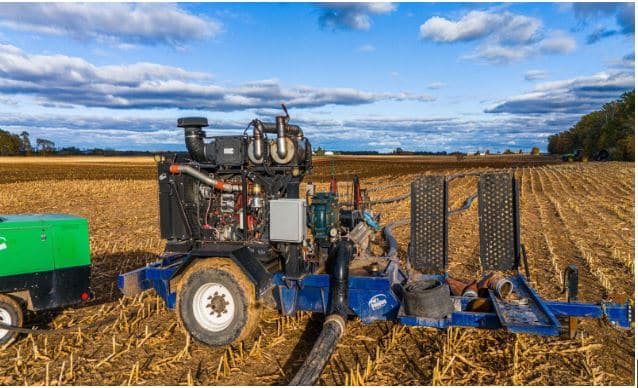
Best manure pumps perform reliably in real field conditions, handling solids, abrasion, and demanding flow requirements
Best Manure Pumps
Many operators search for manure pumps for sale with the expectation that one purchase will deliver both performance and long service life. What is often missing from dealer conversations is the operational realities that determine whether a pump succeeds or struggles. Real-world flow rates, solids handling limits, and wear-part durability ultimately dictate how well a pump performs over time.
Why Flow Rate Figures Often Lead to Misplaced Expectations
Flow rate is usually the first specification buyers notice when selecting powerful pumping equipment. Advertised maximum outputs are attention-grabbing but rarely achievable in actual manure systems. These values are typically measured under controlled test conditions using clean liquids. Real manure contains fibers, grit, and variable density that reduce flow efficiency.
When operators attempt to force pumps to reach advertised numbers, system pressure and operating temperatures increase. Elevated stress accelerates seal wear, reduces efficiency, and shortens component life. Selecting a pump based on realistic operating flow—not peak output—results in better energy efficiency and longer service life.
Real-World Solids Impact Changes Everything
Manure is never just liquid. Bedding material, sand, organic fibers, and debris significantly influence pump performance. Solids content directly affects wear rates, flow stability, and clogging risk. While solids tolerance is often mentioned in sales literature, it is rarely explained in practical terms.
As the solids concentration increases, internal clearances change, impellers lose profile, and vibration increases. Pumps designed for higher solids maintain consistent flow and resist plugging, even under demanding conditions. Understanding the true solids content of your manure stream is essential when selecting a pump.
We Are Focusing on Wear Parts as the Key Cost Drivers
Wear parts largely determine long-term ownership costs. These components endure constant abrasion from sand and fibrous material. While purchase price often drives decisions, replacement frequency has a far greater impact on operating cost.
Low-quality wear parts require frequent replacement, increasing labor and downtime. Durable components last longer and maintain efficiency under heavy use. Easy access to wear parts is also critical during peak seasons. Pumps with longer-lasting wear components may cost more upfront but often deliver lower total cost of ownership.
The Reality of Manure Pumps for Sale in the Mid-Market
Mid-market buyers often seek a single pump capable of handling every task, often researching the Best Liquid Manure Pumps to meet diverse operational needs. Many manure pumps for sale are marketed as multi-purpose solutions, but no single design excels at all applications. Flow and pressure requirements vary widely between lagoon transfer, pit agitation, and field application.
General-purpose pumps offer acceptable performance across multiple tasks but rarely optimize any one function. Defining primary use cases helps narrow options and improve results. Matching the pump to its most frequent duty produces better efficiency and reliability.
Upkeep Terms Dealers Seldom Discuss
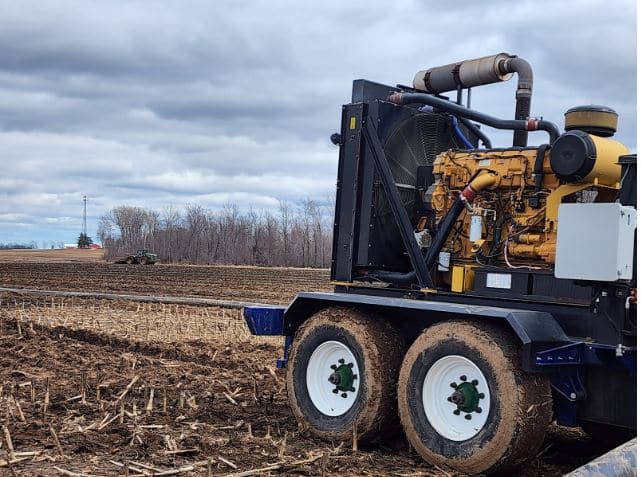
Manure pumps for sale must withstand solids, wear, and pressure while delivering consistent performance in real farm systems
Maintenance is unavoidable, regardless of pump design. While some models are promoted as low-maintenance, routine inspection remains essential. Seal checks help prevent leaks and contamination. Impeller inspections reveal early wear before failure occurs.
Lubrication schedules also matter. Insufficient lubrication increases friction and heat, reducing efficiency and component life. Understanding maintenance requirements in advance allows operators to plan service intervals and budget accordingly.
The Priority Is Not Raw Horsepower
High horsepower ratings may appear impressive, but they do not guarantee better performance. Pump efficiency is determined by how effectively power is converted into flow. Some pumps consume more energy to move the same volume of slurry.
Efficient designs reduce internal stress, minimize turbulence, and lower energy consumption. Dealers often emphasize horsepower instead of efficiency curves, which provide a more accurate picture of operating cost and performance. Evaluating efficiency under real operating conditions is more important than raw power ratings.
Questions Smart Buyers Should Ask Before Investing
Buyers should ask about expected operating flow rates with actual manure, not test fluids. Inquiring about solids limits and wear-part life helps clarify long-term reliability. Request performance data specific to manure type and system configuration.
A manure pump for sale should be selected based on real-world application requirements—not ideal conditions. Asking informed questions reduces downtime and protects the investment.
Last Words on How to Make a Good Decision
Choosing a pump involves more than comparing brochures. Flow accuracy, solids handling capability, and wear-part durability determine real performance. Manure pumps for sale deliver value only when selected for actual operating conditions rather than sales language. Informed decisions lead to longer service life, lower maintenance costs, and improved system reliability.
Not all manure pumps for sale perform the same in real conditions. Solids, wear parts, and efficiency decide long-term costs and reliability. Make a smarter investment—get practical insights now on Instagram.
Frequently Asked Questions
1: Why don’t actual flow rates match advertised pump rates?
Real manure contains solids and fibers that increase resistance and reduce flow.
2: What impact do solids have on pump life?
Higher solids accelerate abrasion and increase wear on internal components.
3: Do wear parts require frequent replacement?
Replacement frequency depends on material quality and operating conditions, but it is a major long-term cost factor.
4: Can a single pump handle all manure applications well?
Most pumps are optimized for specific tasks and perform best when matched to their primary application.
5: How can buyers estimate real operating costs?
By evaluating efficiency data, maintenance requirements, and expected wear-part replacement cycles.