
Why Manure Hose Failure Costs More Than You Think: Hidden Downtime in Drag Hose Manure Equipment
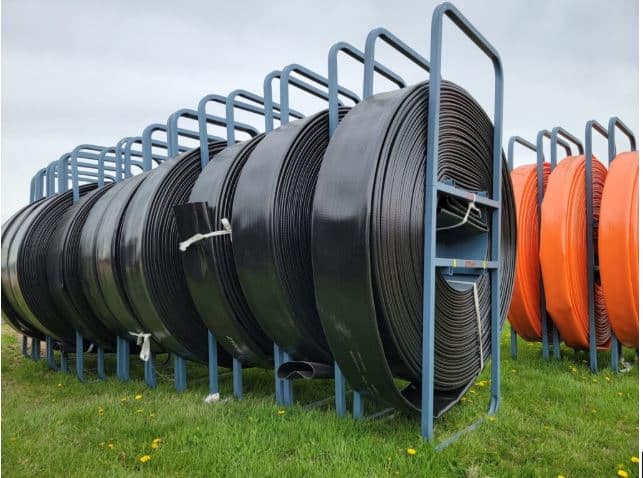
Manure hose failure can shut down drag hose operations, increasing labor costs and disrupting field application schedules
Manure Hose Failure
A single hose issue can bring a drag hose manure application to a standstill for hours—or even an entire day. While most operators plan around fuel, labor, and weather, manure hose failure and hose-related downtime are often overlooked. A blocked or damaged hose affects productivity, field timing, nutrient placement, and operating costs. Understanding these hidden impacts is key to protecting both your schedule and your bottom line.
Actual Downtime in Manure Application
Downtime rarely stays isolated to one part of the system. When an Essential Drag Hose becomes blocked or compromised, pumps must be shut down while pressure is safely relieved and lines are cleared. Crews wait. Equipment sits idle. Fields remain unfinished. Weather windows close quickly during application season, turning a few lost hours into missed days.
Why hoses fail more often than expected
Drag hose systems operate under continuous pressure while being pulled across rough ground. Manure contains grit, sand, and abrasive material that gradually wears the hose lining. Repeated flexing, dragging, and pressure cycles accelerate fatigue. Small internal wear points can go unnoticed until flow restriction or sudden failure occurs.
Everything extra really adds up subtly and then Not-So-Subtly
Labor costs don’t stop just because the system does. Crews are still on the clock during delays, and overtime is often required to catch up. Schedule disruptions lead to fatigue, rushed work, and reduced efficiency once operations resume. These indirect costs quietly add up long before repair invoices arrive.
Strain on Equipment other than the Hose
A hose issue rarely affects only the hose itself. Pressure changes during shutdowns and restarts put added stress on pumps, valves, fittings, and toolbars. Couplings may loosen, or seals may wear faster. Repairs often extend beyond replacing a single hose section, increasing both downtime and maintenance costs.
Environmental Compliance Risks Increase
Unexpected hose failures increase the risk of manure release at unintended locations. Even minor spills require cleanup time and documentation. Larger incidents may trigger regulatory reporting requirements. These events create added stress, operational delays, and potential compliance exposure during already tight application windows.
Transportation and Logistics Disruptions
Manure movement relies on a steady flow. When the drag hose application slows or stops, storage levels rise. Tankers wait with limited unloading options. Crews must adjust hauling schedules on the fly. These disruptions ripple across the entire operation, affecting more than just the field crew.
The Mid-Season Replacement Trap
Replacingthe hose mid-season isn’t always simple. Demand is highest during application windows, and availability can be limited. Shipping delays extend downtime further, and emergency purchases often cost more than planned replacements. What should have been a routine maintenance item becomes a production bottleneck.
Why Preventive Maintenance Is Often Neglected
Many operators push hoses beyond their intended service life. Visual inspections don’t always reveal internal wear or thinning. Pressure ratings degrade gradually without obvious warning signs. Budget priorities shift elsewhere—until failure occurs at the worst possible time.
How Drag Hose Systems Increase Downtime Costs
Drag hose manure equipment is designed for speed and efficiency across large acreages. When hose performance drops, that efficiency disappears. Long hose runs take more time to clear and restart. Every connected component magnifies downtime, making hose reliability critical to overall system performance.
Emphasis on Management and Decision-Making
Unplanned downtime forces rapid decision-making under pressure. Managers juggle repairs, crew scheduling, weather forecasts, and compliance concerns simultaneously. Stress increases the likelihood of short-term fixes that create long-term issues. Reliable systems reduce this burden and support better planning.
It’s More Than Just the Repairs. What Is the Real Cost?
Repair bills only tell part of the story. Lost productivity, delayed nutrient placement, inefficient labor use, and reduced application accuracy all carry real financial impact. In many cases, the cumulative cost of downtime exceeds the price of proactive hose replacement.
Look for Future Opportunities to Reduce Operating Risk
Proactive hose management protects both schedules and budgets. Regular inspections help identify wear before failure occurs. Planned replacements during off-peak periods reduce downtime risk. Monitoring pressure and flow supports overall system health and smoother seasonal operation.
Importance of Reliability at High Seasons
Peak manure application seasons leave little room for error. Weather windows are short and unpredictable. Equipment uptime becomes critical. A single hose issue can derail weeks of preparation. Reliable hoses and disciplined maintenance protect both time and revenue.
Conclusion
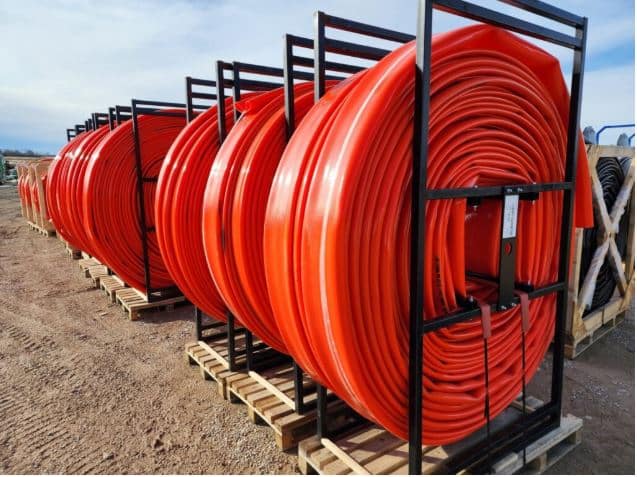
Well-maintained drag hose systems help reduce downtime and support efficient manure application during peak seasons
System reliability directly affects how efficiently manure is applied and plays a critical role in efficient manure application. Hose failures introduce hidden costs that extend far beyond visible repairs. Downtime impacts labor, crops, logistics, and compliance. Investing in dependable manure hose and proactive maintenance supports smoother operations and stronger long-term results.
A manure hose failure is more than a repair issue—it affects labor, timing, and operating costs. One small blockage can shut down an entire drag hose system. Read the full breakdown on Facebook
Frequently Asked Questions
How frequently do manure hoses need to be checked?
Hoses should be inspected before and throughout each application season.
Why do most manure hose failures occur?
Internal abrasion and repeated pressure cycling are the most common causes.
Can a hose issue affect other equipment?
Yes. Pressure changes can impact pumps, valves, fittings, and toolbars.
Is preventive replacement cost-effective?
Planned replacement is almost always less expensive than emergency repairs and downtime.
Does downtime affect crop performance?
Yes. Delayed application can reduce nutrient effectiveness and application accuracy.