
Mandals Drag Hose Explained: How to Optimize Your Farm’s Manure Application System
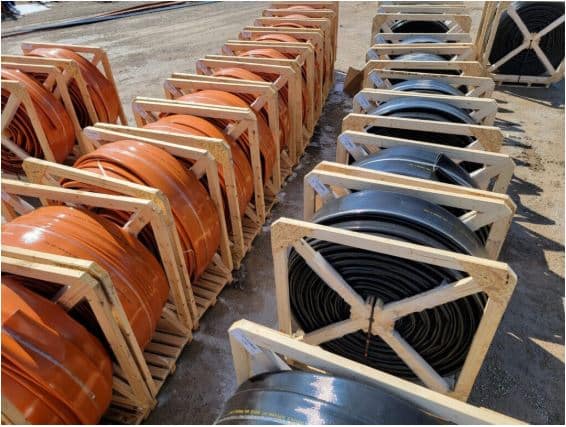
Efficient manure application with the Mandals Drag Hose system—cover more acres with less downtime.
Mandals Drag Hose Explained
Efficient manure management is more than a routine farm task — it directly impacts profitability, crop health, and environmental compliance. Downtime during peak application windows costs money in labor, fuel, and lost nutrient value. That’s where a Mandals Drag Hose Explained system becomes a game-changer.
Designed for high-capacity, continuous manure transfer, Mandals Drag Hose systems allow farmers to move nutrients efficiently from lagoon to field without the constant refilling required by tank spreaders.
What Does That Mean by a Mandals Drag Hose System?
A Mandals Drag Hose system is a dragline manure application setup that pumps manure from a lagoon through heavy-duty hoses directly into the field. Instead of hauling multiple loads with tankers, manure flows continuously through the hose while the applicator moves across the field.
The system typically includes:
- A high-capacity pump is stationed at the lagoon
- Durable Mandals Drag Hose lines stretched across fields
- A tractor-mounted applicator unit distributing manure evenly
This setup reduces soil compaction, improves efficiency, and allows more acres to be covered in less time.
Classical Elements of an Efficient Drag Hose System
The Pumping Station
The pump is the heart of the Mandals Drag Hose system. It must be powerful enough to push manure through hundreds — sometimes thousands — of feet of hose without losing pressure.
Modern systems use pumps designed specifically for abrasive, high-solid manure. Choosing the right pump depends on:
- Total hose length
- Elevation changes
- Required application rate
- Manure consistency
Proper pump sizing ensures steady flow and prevents costly downtime.
Manure Hose Selection
Not all hoses perform the same. The quality of your Mandals Drag Hose directly affects long-term reliability and maintenance costs.
Key hose considerations include:
- Diameter – Larger diameters reduce friction loss and allow higher flow rates
- Durability – Must withstand abrasion from manure solids
- Flexibility – Needs to handle field terrain and temperature changes
- Coupling strength – Secure connections prevent leaks and pressure loss
Investing in high-quality Mandals Drag Hose reduces breakdowns during peak seasons.
Applicator Units
The applicator determines how manure is delivered into the soil. Your choice depends on crop type, soil conditions, and environmental regulations.
Common options include:
- Splash plate applicators – Simple broadcast application
- Trailing shoe systems – Reduced odor and ammonia loss
- Injection units – Place manure below the surface for maximum nutrient retention
Matching the applicator to your nutrient management plan ensures efficiency and compliance.
Get the Best Out of Your Mandals Drag Hose
Strategic Hose Layout Planning
Efficiency starts with smart layout design. Position your lagoon pump to minimize total hose distance while still reaching field extremes.
Best practices include:
- Establishing permanent hose lanes
- Reducing road crossings
- Using modular hose sections for flexible field coverage
Proper planning improves safety and reduces setup time.
Maintenance Best Practices
Routine maintenance keeps your Mandals Drag Hose system operating smoothly:
- Inspect hoses before each season
- Clean and lubricate couplings
- Store hoses properly to prevent UV damage
- Replace worn sections before failure
Pump maintenance is equally critical — check oil levels, seals, and screens regularly to prevent clogs and maintain consistent flow.
Matching Field Conditions to Application Rates
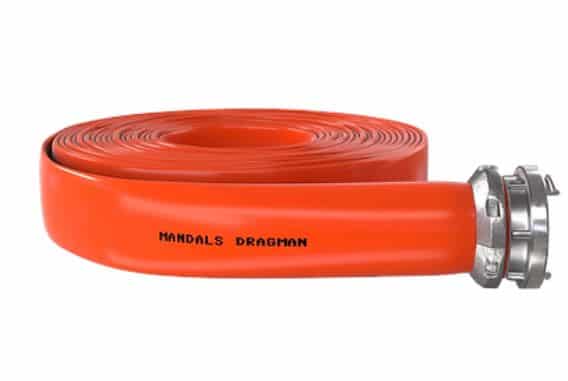
Durable Mandals Drag Hose with superior flexibility and strength for efficient nutrient delivery.
Application rates must align with your nutrient management plan, and Reliable Manure Systems play a key role in ensuring accurate application. Over-application wastes nutrients and risks runoff, while under-application reduces crop yield potential.
Balance:
- Pump speed
- Tractor travel speed
- Hose diameter
- Manure nutrient analysis
Consistent calibration ensures precise manure distribution across every acre.
Optimizing Work Productivity
One major advantage of a Mandals Drag Hose system is labor efficiency. Compared to tank spreaders, dragline systems often require fewer operators while covering significantly more acres per day.
To maximize productivity:
- Plan those moves strategically
- Monitor weather forecasts
- Consider extended work shifts during ideal application windows
Covering more ground during peak conditions protects nutrient value and increases return on investment.
Short-Day Problems and Resolutions
Hose Drag Resistance
Use proper hose diameter and avoid excessive length to reduce strain on the tractor.
Poor Delivery Rates
Adjust pump flow and calibrate applicator speed.
Frequent Clogs
Ensure proper lagoon agitation and screening before pumping.
Regular inspection prevents small issues from becoming expensive breakdowns.
Investment Decision Making
When evaluating dragline manure equipment for sale, look beyond upfront equipment cost. Consider:
- Labor savings
- Acres covered per day
- Reduced soil compaction
- Improved nutrient retention
- Lower long-term maintenance
A properly selected Mandals Drag Hose system often delivers strong ROI within a few seasons.
Conclusion
Modern Mandals Drag Hose systems offer a highly efficient, cost-effective manure application solution for progressive farms. With a well-planned Mandals Drag Hose Design, selecting the right pump, hose diameter, and applicator — and maintaining them properly — creates a nutrient management system that improves productivity, reduces costs, and supports sustainable crop growth. For farms serious about efficiency and long-term performance, a Mandals Drag Hose system isn’t just equipment — it’s an operational advantage.
Want to see drag hose systems in action? Check out our Instagram for high-capacity manure transfer solutions and productivity-boosting updates on farm equipment.
FAQs
1. What is a Mandals Drag Hose system used for in manure application?
A Mandals Drag Hose system transfers manure directly from lagoons to fields through durable hoses, allowing continuous application without repeated loading and hauling.
2. How does a drag hose system improve farm efficiency?
It reduces labor requirements, minimizes soil compaction, and enables operators to cover more acres per day while delivering consistent nutrient levels.
3. What factors should be considered when choosing a manure drag hose?
Key factors include hose diameter, durability, abrasion resistance, flexibility, and coupling quality to ensure long-term reliability.
4. How can farmers maintain a Mandals Drag Hose system for long-term performance?
Routine inspection, proper storage, pump maintenance, and early replacement of worn hose sections prevent costly downtime.
5. What are common problems in drag hose manure systems, and how can they be fixed?
Common issues include hose resistance, uneven flow, and clogs. These can typically be resolved through proper pump sizing, flow calibration, and effective lagoon agitation.