
Manure Tankers for Sale: Features, Capacity, and Choosing the Right Model for Large-Scale Operations
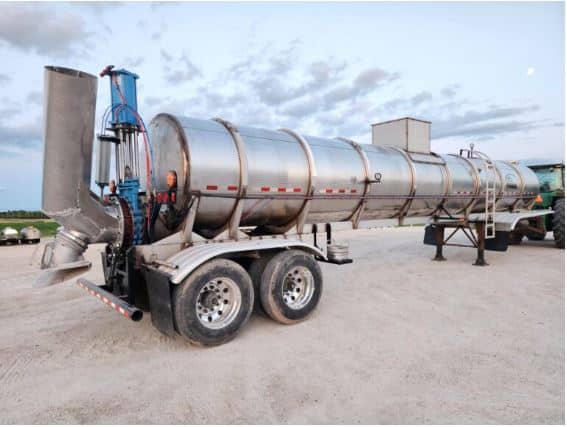
Optimize your manure management with the best tanker for efficient hauling and application.
Best Manure Tanker
Managing liquid manure on a large livestock farm is no small task. When storage pits are full, and application windows are tight, you need reliable equipment that works efficiently — without delays, breakdowns, or wasted labor hours. Choosing the Best Manure Tanker for Sale can dramatically improve productivity, reduce operating costs, and protect crop yields. The wrong tanker, on the other hand, can slow down operations and increase long-term expenses.
Why the Right Manure Tanker Makes All the Difference
Large dairy, hog, and beef operations generate thousands of gallons of liquid manure daily. Without efficient hauling and application, you risk:
- Nutrient loss
- Regulatory compliance issues
- Soil compaction
- Increased labor strain
Investing in the right Manure Tanker for Sale ensures your nutrient management plan stays on schedule. Paired with a dependable liquid manure pump, a properly sized tanker keeps manure moving from storage to field quickly and safely.
Key Features to Look for in a Manure Tanker for Sale
Not all manure tankers are built the same. Understanding the major components will help you choose a high-performing unit suited for large-scale operations.
Tank Construction & Material
The tank itself is the foundation of durability.
- Stainless steel tanks offer superior corrosion resistance and longevity, ideal for high-solid slurry.
- Heavy-gauge steel tanks with protective coatings are widely used and cost-effective.
- Reinforced internal baffles reduce liquid surge during transport, improving stability and safety.
Durability is critical when hauling thousands of gallons across uneven terrain.
Loading & Unloading Systems
Efficient loading and unloading directly impact daily productivity.
- Top-fill systems allow rapid loading from pits or lagoons.
- High-capacity unload valves minimize field time.
- Rear-discharge and injection systems reduce soil disturbance and odor while improving nutrient placement.
When evaluating a Manure Tanker for Sale, pay close attention to cycle time — faster turnaround equals more acres covered per day.
Pump Compatibility
Your tanker must integrate seamlessly with your pumping system.
- Ensure compatibility with your current liquid manure pump.
- Some tankers include built-in pumps and agitation systems.
- Proper flow rate matching prevents slow fills and unnecessary wear.
A mismatch between pump and tanker can cost valuable time during peak application windows.
Agitation & Mixing Systems
Liquid manure naturally separates during transport. Built-in agitation prevents this issue.
- Propeller agitators maintain slurry consistency.
- Recirculation systems reduce solid buildup.
- Proper mixing extends pump life and reduces clogging.
When searching for a Manure Tanker for Sale, prioritize units with reliable agitation systems for consistent application.
Chassis & Running Gear
Large-scale operations often require heavy-duty transport systems.
- Pull-type tankers are ideal for shorter hauls and compatibility with existing tractors.
- Semi-tanker designs handle longer distances between storage and fields.
- Tandem or tri-axle configurations distribute weight and improve stability on soft soil.
Matching chassis type to your terrain and hauling distance ensures efficiency and safety.
Capacity: How Much Do You Really Need?
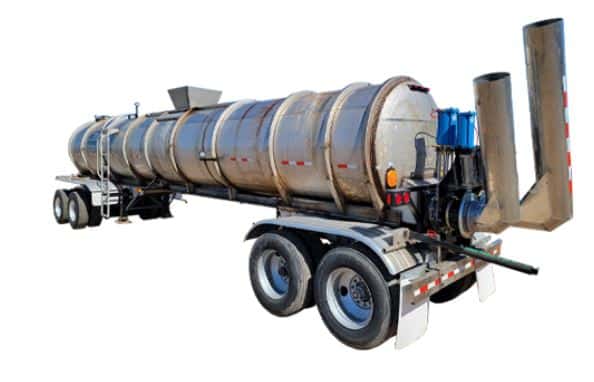
Find reliable manure tankers for sale to improve efficiency and reduce operating costs on your farm.
One of the most important decisions when choosing a Manure Tanker for Sale is selecting the right capacity.
While exact needs vary, general guidelines include:
- Small to mid-size farms: Smaller-capacity tankers
- Mid-range operations: Mid-to-large capacity units
- Large commercial farms: High-capacity semi-tanker systems
Higher-capacity tankers used in Liquid Manure Transport reduce the number of trips per field, saving fuel and lowering soil compaction caused by repeated passes. However, larger tanks also require sufficient tractor horsepower and stable field conditions.
An equipment specialist can help calculate the ideal tank size based on:
- Herd size
- Weekly manure output
- Hauling distance
- Field layout
- Application timing
New vs. Used Manure Tanker for Sale: Which Is Right?
Both new and used equipment offer advantages depending on your farm’s budget and growth strategy.
Buying New
- Full manufacturer warranty
- Latest engineering and efficiency upgrades
- Lower risk of hidden wear or maintenance issues
- Ideal for long-term infrastructure investments
A new Manure Tanker for Sale is often the best choice for operations planning steady expansion.
Buying Used
- Lower upfront cost
- Faster ROI
- Ideal for staged expansion
- Good option for adding a second unit quickly
Reputable dealers offering New & Used Manure Equipment for Sale often inspect and service equipment before resale, giving buyers confidence in performance.
Choosing the Right Model for Large-Scale Operations
Large operations prioritize different features than smaller farms. Keep these factors in mind:
1. Cycle Time
How quickly can the tanker load, haul, and unload? Faster cycles maximize productivity during short application windows.
2. Field Access
Consider axle configuration and chassis width for narrow lanes, soft soils, or hilly terrain.
3. Regulatory Compliance
Many regions enforce strict manure application rates and environmental regulations. Injection-ready tankers can help meet compliance standards.
4. Parts & Service Availability
Work with dealers who stock parts and offer local service support. Downtime during peak season can be extremely costly.
Conclusion
Selecting the right Manure Tanker for Sale is about more than tank size. It’s about choosing Agricultural Manure Equipment that aligns with your workflow, hauling distance, terrain, and long-term farm goals. Whether you’re investing in new equipment for long-term reliability or expanding with a quality used model, the right tanker improves efficiency, reduces labor strain, and supports consistent nutrient management across your operation. Careful evaluation today leads to smoother seasons and stronger returns tomorrow.
Frequently Asked Questions
Q: What size manure tanker do I need for a large dairy operation?
Capacity depends on herd size, hauling distance, and application schedule. An equipment specialist can help determine the ideal tank size for your workload.
Q: Can I connect a manure tanker to my existing liquid manure pump?
In most cases, yes — but confirm that pump output matches the tanker’s fill rate requirements to avoid inefficiencies.
Q: Is buying a used manure tanker for sale a smart investment?
Yes, if purchased from a reputable dealer and thoroughly inspected. A well-maintained used tanker can provide years of reliable service.
Q: How do I extend the lifespan of my manure tanker?
Rinse the tank after each use, inspect valves and seals seasonally, lubricate moving parts, and address corrosion early. Regular maintenance significantly increases equipment longevity.