
Why Liquid Manure Pumps Fail Early—and How Proper Hose Selection Extends Pump Life
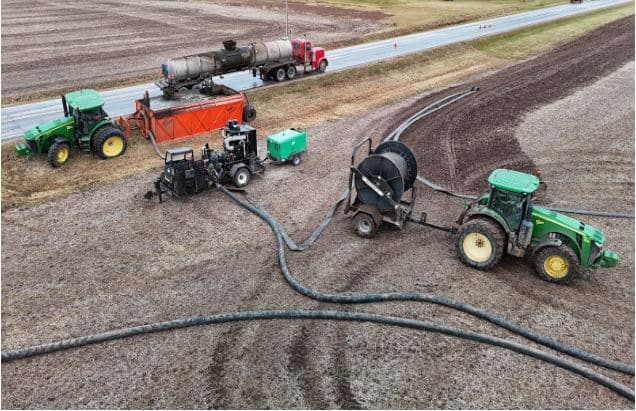
Liquid manure pumps are working with proper hose routing to reduce flow resistance and prevent early pump failure
Best Liquid Manure Pumps
Premature pump failure is one of the most common—and preventable—problems in liquid manure handling. In many cases, pumps fail long before their expected service life due to system design issues rather than mechanical defects. Best Liquid manure pump operates under demanding conditions, moving abrasive slurry with varying solids content while managing pressure, flow, and temperature. When the system is not properly balanced, failure often follows.
Early Pump Failure in the Manure Handling Industry
Pump motors are rarely the root cause of early failure. More often, breakdowns stem from issues downstream or upstream—particularly at the hose connection and flow path. Liquid manure exerts both hydraulic and mechanical stress on the system. When flow is restricted or pressure fluctuates, internal components experience excessive load. Over time, this imbalance accelerates wear on seals, bearings, and impellers. In most cases, early pump failure is the result of poor system matching rather than pump quality.
How Internal Components Are Damaged by Flow Resistance
Manure slurry contains fibrous material, sand, and grit that naturally increase friction inside the hose. As resistance rises, the pump must work harder to maintain flow. This elevated load generates heat and reduces efficiency. Restricted flow also promotes cavitation—a condition where vapor bubbles form and collapse inside the pump. Cavitation rapidly erodes metal surfaces, damaging impellers and housings. Pressure spikes further strain mechanical seals, allowing contaminants to enter and accelerate internal wear.
The Buried Consequences of Hose Material Selections
Hoses may look similar on the outside, but their performance under load can vary significantly. Some hose materials soften with heat or degrade when exposed to manure chemistry. Insufficient flexibility can transmit vibration directly back to the pump, increasing mechanical stress. Rigid hoses amplify vibration, leading to fatigue at fittings and connections. Properly designed manure hoses absorb movement, reduce vibration, and help protect pump components from premature failure.
Effect of Hose Diameter and Length on Pump Health
Hose sizing plays a critical role in system performance. Undersized hoses restrict flow, forcing the pump to operate outside its optimal range. This results in higher energy consumption and increased wear. Excessive hose length can also reduce system efficiency by increasing pressure loss. When pumps compensate for long runs, operating temperatures rise, and component life shortens. Correct hose diameter and reasonable length promote steady flow and stable pressure, protecting internal pump components.
Why Connection Quality Is More Important Than You Think
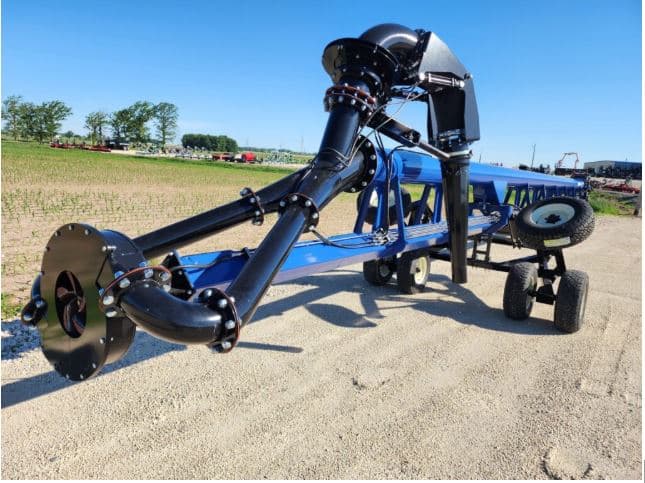
Heavy-duty liquid manure pump engineered for smooth flow, reduced pressure loss, and longer service life
Poorly sealed connections allow air to enter the system, disrupting smooth flow. Air entrainment increases vibration and noise while intensifying cavitation risk, especially in a Liquid Manure Pump for Pit. Even small air leaks can cause long-term damage if left uncorrected. Secure, well-aligned connections maintain consistent suction and reduce internal stress. Regular inspection of fittings helps preserve system balance and pump longevity.
Mid-System Strain and Liquid Manure Pumps
Elbows, valves, and fittings all add resistance to the system. When combined, these components can push operating pressure beyond safe limits. Liquid manure pumps are designed to perform within specific pressure ranges, and sustained operation outside those limits shortens service life. Proper hose routing minimizes sharp bends, while smooth internal hose linings reduce solids buildup. Accumulated material narrows the effective diameter and increases friction, further stressing the pump.
Selecting the Right Hose Proved to Prolong Equipment Life
Choosing the right manure hose is essential for system durability. Hoses should offer abrasion resistance, chemical compatibility, and sufficient flexibility to absorb vibration. Proper sizing supports consistent flow rates, reducing pressure fluctuations. When hoses are matched correctly to the system, wear on seals, bearings, and impellers is minimized. The result is reduced maintenance, fewer breakdowns, and longer pump service life.
Practices of Installation That Save the Pump
Even the best hose can fail if installed incorrectly. Tight bends near the pump inlet disrupt suction and increase turbulence. Long hose runs should be properly supported to prevent sagging, which creates low points where solids can settle. Accumulated solids increase startup load and stress the pump. Correct alignment during installation prevents lateral forces on the pump housing and connections, reducing mechanical strain.
Critical Maintenance Signals That You Should Not Ignore
Unusual noise often indicates cavitation or restricted flow. Increased vibration suggests a system imbalance. Repeated seal failures typically point to pressure or alignment issues. Addressing these warning signs early can prevent major damage. Regular hose inspection and proper line clearing help maintain internal diameter and reduce buildup, supporting consistent system performance.
More Thoughts on Long-Term Pump Dependability
Early pump failure is rarely unavoidable. System design, hose selection, and installation practices all influence pump longevity in Manure Transfer Systems. When flow and pressure are properly managed, hoses play a key role in extending the life of liquid manure pumps. Thoughtful hose selection reduces downtime, protects equipment, and improves overall system reliability.
Premature failure of liquid manure pumps is often caused by poor hose selection and flow issues. Learn how the right system design can protect your pump and extend its life. Read the full guide on Facebook and add your link here.
Frequently Asked Questions
1: Why is the manure pump breaking quickly?
Most premature failures are caused by flow restriction, cavitation, or vibration related to improper hose sizing or routing.
2: Can hose length really impact pump life?
Yes. Longer hose runs increase pressure loss, forcing the pump to work harder and reducing service life.
3: What is the relationship between slurry composition and hose performance?
Abrasive solids require hoses with durable, smooth internal linings to minimize friction and wear.
4: What are the signs of pump stress on the hose?
Vibration, seal leaks, reduced flow, and abnormal noise indicate system imbalance.
5: How frequently should hoses be inspected?
Hoses should be checked regularly, especially during periods of heavy use or warmer temperatures.