
A Buyer’s Guide to Finding the Best Manure Tanker for Sale
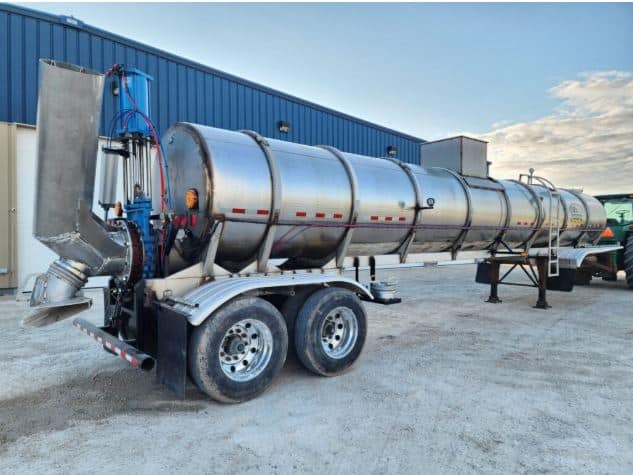
High-quality manure tanker designed for reliable transport, reduced trips, and efficient manure application on farms
Best Manure Tanker for Sale
Looking for the best manure tanker for sale? Whether you’re expanding your livestock operation or upgrading outdated equipment, choosing the right tanker can dramatically improve hauling efficiency, reduce downtime, and simplify manure handling across your entire farm.
What Is a Manure Tanker, and Why Do You Need One?
A manure tanker is a heavy-duty, wheeled tank designed to transport livestock manure safely and efficiently from your pit or lagoon to the field. For farms that haul manure rather than pump through dragline systems, a tanker is essential.
A good tanker:
- Moves manure quickly
- Reduces trips
- Minimizes spillage
- Ensures accurate field application
The right unit can significantly streamline daily operations.
The Things to Consider When Buying a Manure Tanker
Before you buy, evaluate the features that determine performance, durability, and long-term cost of ownership.
Tank Size
Match the tank size to:
- The volume of manure your farm produces
- The distance between the storage and the fields
- The tractor’s horsepower available
Larger tanks mean fewer trips but require more power and room to maneuver.
Build Quality
Choose heavy, well-constructed tanks made from durable steel with reinforced frames. A strong build ensures long life and less maintenance in demanding conditions.
Ease of Use
Look for features that improve efficiency:
- Fast-filling ports
- Quality valves
- Reliable hose connections
- Accessible service points
A well-designed tanker can save hours during busy spreading seasons.
Pump Compatibility
Your tanker must be compatible with the manure pump used to load it. Flow rate, hose size, and valve style all influence how smoothly your system operates.
Maintenance
Select a design that is easy to wash, inspect, and service. Simple maintenance reduces downtime and lowers repair costs over the years.
Types of Manure Tankers Used
There are several options depending on farm size, terrain, and budget.
New and Used Tankers
- New tankers provide modern features, improved safety, and full warranties.
- Used tankers are more affordable and can perform extremely well when inspected carefully.
Single-Axle or Tandem-Axle
- Single-axle tankers are lighter and more maneuverable.
- Tandem-axle models offer better stability, flotation, and load distribution—ideal for heavy tanks and soft ground.
Custom or Specialty Tankers
Some farms benefit from custom fabrication, such as:
- Unique fill-port locations
- Reinforced frames
- Specialized running gear
- Additional ladder or safety features
Customization helps match the tanker to your farm’s layout and workflow.
The Secret to Choosing the Proper Manure Pump With Your Tanker
Even the best tanker won’t perform well without the right manure tanker.
When selecting a pump, consider:
- Required flow rate
- Tractor horsepower
- Hose diameter
- Type of manure (liquid vs heavier slurry)
Many farms rely on reputable pump brands—such as Cornell—because they offer consistent performance, long service life, and the ability to move thick manure without clogging.
Where to Purchase a Good Manure Tanker
Choose a reputable supplier that:
- Offers a wide selection of tankers and pumps
- Provides repair and maintenance services
- Can help you size equipment correctly
- Offers rental units so you can test equipment before buying
Renting can be especially helpful when determining tank size or testing pump compatibility.
Top Tips to Make the Most Out of Your Manure Tanker
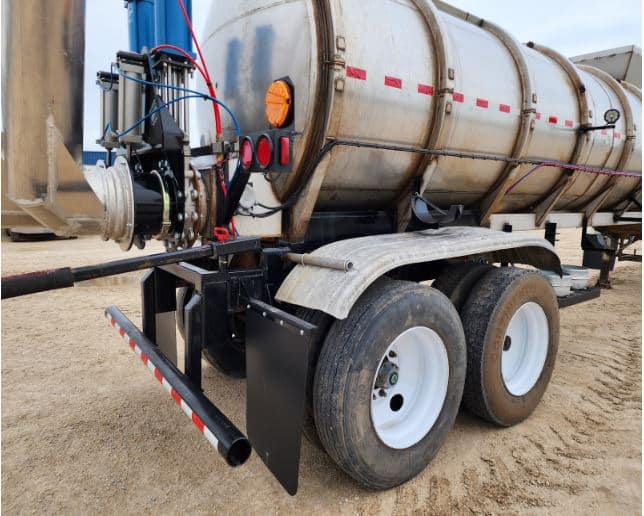
Rear view of a manure tanker showing pump setup, sturdy axles, and durable build for long-term farm use
- Perform regular maintenance to avoid unexpected downtime.
- Rent and test equipment if you’re unsure about tank size or setup.
- Consider custom fabrication to tailor the tanker to your farm.
- Always match pump and tanker flow rates for smooth operation.
Questions to Ask Before You Buy a Manure Tanker
- What tank capacity does my farm actually need?
- How well does the tanker match the pump I’ll be using?
- Is the tanker easy to operate and maintain?
- Are replacement parts readily available?
- What safety features are built into the design?
Conclusion
Selecting the right manure tanker for Sale doesn’t have to be complicated. Focus on capacity, durability, pump compatibility, and ease of operation. When you work with a knowledgeable supplier, you gain not only the equipment but also the support and guidance needed to make a smart, long-term investment.
New or used manure tankers, single or tandem axle—find what fits your farm best. Learn how pumps like Cornell improve performance. 📲 Read the complete blog via the Instagram link for expert tips.
FAQs
Q1: What’s the difference between a used manure tanker and a new one?
New tankers include the latest features and full warranties, while used tankers cost less but may require more maintenance.
Q2: Can I rent a manure tanker before buying?
Yes. Renting is a great way to determine whether a certain capacity or design fits your operation before making a major purchase.
Q3: How often should I maintain my manure tanker?
Clean and inspect after each use, and complete seasonal maintenance before and after the spreading seasons.
Q4: What are the best manure pump brands to pair with a tanker?
Cornell pumps are widely used for their durability and high flow rates.
Q5: How can custom fabrication help?
Custom-built features help the tanker fit your farm’s specific layout, terrain, and workflow—resulting in smoother, faster manure handling.