
How to Choose the Right Liquid Manure Pump for Your Pit or Lagoon
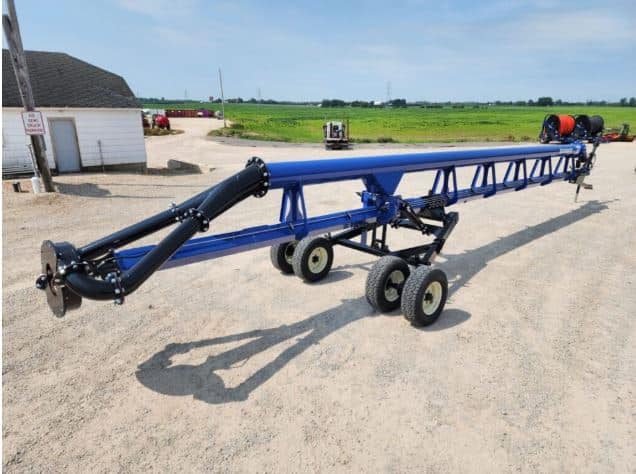
High-capacity liquid manure pump designed for efficient pit and lagoon pumping with durable, long-reach boom
Liquid Manure Pump for Pit
Efficient manure management is essential for every livestock operation. When it’s time to pump a pit or lagoon, the right liquid manure pump can make the job faster, smoother, and far less stressful. Choosing the right pump isn’t just about moving manure — it’s about matching your system to your manure consistency, pit design, application method, and the equipment you use in the field.
What Is a Liquid Manure Pump?
A liquid manure pump is designed to transfer manure slurry out of pits or lagoons and into another system — typically a dragline hose setup or a manure tanker. Unlike standard water pumps, these units are built to handle thick, abrasive, and solids-rich material without clogging.
Most lagoon and pit operations use PTO-driven or engine-driven agitation/transfer pumps engineered for:
- High-volume pumping
- Heavy solids content
- Continuous operation during spreading seasons
- Agitation to keep solids suspended
They’re a critical component of any manure handling system.
The Considerations When Selecting a Liquid Manure Pump
Choosing the right pump depends on your manure consistency, pit layout, and how you plan to apply or transfer the material.
Pump Capacity and Flow Rate
Pump size is typically rated in gallons per minute (GPM) or overall flow performance.
Select your pump based on:
- How large is your pit or lagoon is
- How quickly do you need to empty it
- Whether your application crew (or tanker capacity) can keep up with the pump output
A pump that’s too small creates bottlenecks. One that’s too large can overwhelm hoses, applicators, or tankers. The right size keeps your operation steady and efficient.
Power Source Options
Most farms choose:
- PTO-driven pumps — the most common setup, powered directly by a tractor
- Engine-driven pumps — portable, independent units powered by a small diesel engine
These two options dominate the manure industry.
Electric pumps are typically not used for pit or lagoon agitation or transfer because they lack mobility and power for high-volume slurry.
Pit or Lagoon Size Compatibility
Your pit setup determines:
- Pump suction requirements
- Whether agitation is needed
- What hose diameter do you run
- The lift or reach the pump needs
Thicker manure — especially deep-pit dairy manure — requires a high-performance agitation/transfer pump.
Lagoons with more water content can be pumped faster with lower restriction.
Durability and Materials
Manure slurry is abrasive and corrosive.
Choose pumps built from:
- Hardened iron
- Stainless components
- Abrasion-resistant coatings
- Heavy-duty seals and bearings
A well-built pump withstands grit, sand, solids, and long run times without premature wear.
Maintenance Requirements
Maintenance affects uptime during your busiest seasons.
Look for:
- Easy-to-access clean-out points
- Serviceable wear plates and impellers
- Readily available replacement parts
- A design you can repair in your own shop
A well-maintained pump prevents mid-season breakdowns and costly delays.
Pit and Lagoon Liquid Manure Pumps
Here are the main pump types used on manure operations:
Centrifugal Pumps
The standard for most dragline and lagoon systems.
Best for:
- Large volumes
- Liquid manure or slurry with moderate solids
- High flow rates over long distances
Agitation/Transfer Pumps
Designed to agitate and transfer simultaneously.
Ideal when:
- Solids settle heavily
- Pits need to be fully mixed before pumping
- A consistent slurry is required for application
Positive Displacement Pumps
Used in some manure systems, but less common for open lagoons. They excel at pushing thick slurry, but move it more slowly.
Vacuum Pumps (Tanker Systems)
Vacuum pumps are mounted on manure tankers, not used for lagoon pumping directly.
They load and unload tankers by suction rather than handling long-distance pumping.
The Difference Between the Right and Wrong Manure Tanker
If your pump feeds a tanker, the right tanker improves:
- Load/unload speed
- Field efficiency
- Flow compatibility
- Reliability in rough terrain
If pumping outruns your tanker, or the tanker can’t keep up with the pump, your efficiency with Phil’s Pumping & Fabrication drops immediately.
Buying a Manure Tanker: Tips to Keep in Mind
Assess Capacity Needs
Consider:
- Field acreage
- Distance from the it to the fields
- Manure volume produced
- Tractor size and power
A tanker that’s too small requires too many trips; too large and you waste fuel or overload the tractor.
Condition Check: New or Used
Used tankers can be a great value when inspected properly.
Check for:
- Rust
- Leaks
- Bad valves
- Weak frame points
- Worn tires
- Vacuum pump performance (if equipped)
New tankers offer modern features and a longer lifespan, but cost more upfront.
Consider Farm-Specific Requirements
Each farm operates differently.
Some may need:
- Hydraulic booms
- Multiple fill points
- Different tire options
- Reinforced frames
- Sight windows or level indicators
Choosing the right configuration reduces headaches in the field.
Rapid Guide to Selecting Your Liquid Manure Pump
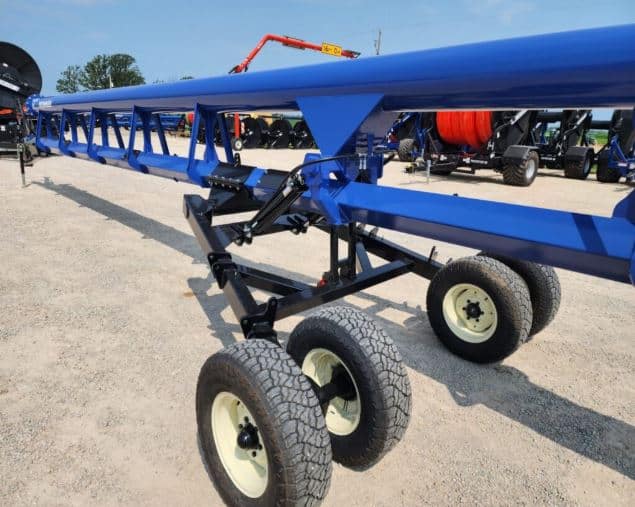
Close-up view of a rugged liquid manure pump showing strong frame, tires, and efficient manure transfer design
- Is your manure thick or watery?
- Size the pump to your pit and your application method.
- Choose abrasion-resistant materials.
- Pick equipment that can be serviced easily with commonly available parts.
- When uncertain, rent a pump first to test what works best for your operation.
Conclusion
Choosing the best liquid manure pump (and the right tanker if you use one) is a long-term investment in efficiency and reliability. By matching your pump to your manure consistency, pit design, and application needs, you reduce downtime, speed up pumping, and ensure your manure is applied at the right time. A well-selected system keeps your operation running smoothly season after season.
For more details and information, like and visit our Facebook page
FAQs
How big of a liquid manure pump do I need for my lagoon?
Choose a pump sized to empty the lagoon within 1–2 days, based on lagoon volume and manure thickness.
Can one pump work for both pits and lagoons?
Yes—if the pump is designed to handle thicker solids from deep pits. Some pumps work better for one application than another.
How often should a manure pump be maintained?
Clean after every use, inspect seals, and monitor wear components. Service intervals vary by pump type and manure abrasiveness.
Are used manure tankers a good option?
Yes, as long as they are inspected for rust, leaks, valve condition, and frame integrity.
What brands make reliable manure-handling components?
Cornell Pump Company, Trueline Valve Corp, Krohne, and Balzer are known for durable, long-lasting manure equipment.