
Manure Dumpster Solutions for Organized and Efficient Farm Waste Management
Manure Dumpster Solutions
In large-scale dragline manure application, efficiency depends on keeping manure moving continuously from transport to field application. Manure transfer dump stations are purpose-built to act as a direct transfer point between semi tankers and drag hose pumping systems. Rather than unloading tankers into pits or waiting for field conditions to align, transfer dump stations—often referred to as a Manure Dumpster Solutions allow liquid manure to be unloaded from semi tankers and immediately pumped into a drag hose system, keeping application flowing without interruption.
What Is a Manure Transfer Dump Station?
A manure transfer dump station is a heavy-duty steel intake structure designed to receive liquid manure from semi tankers or hauling trucks and feed it directly into a high-volume manure pump.
Its role is not storage.
Its role is controlled, continuous transfer.
The dump station provides:
- A stable unloading point for tanker operators
- Consistent feed to the pump intake
- Smooth transition from hauling to drag hose application
Once manure enters the station, it is pumped immediately through the drag hose and applied in the field by a tractor and toolbar.
How Transfer Dump Stations Support Drag Hose Application
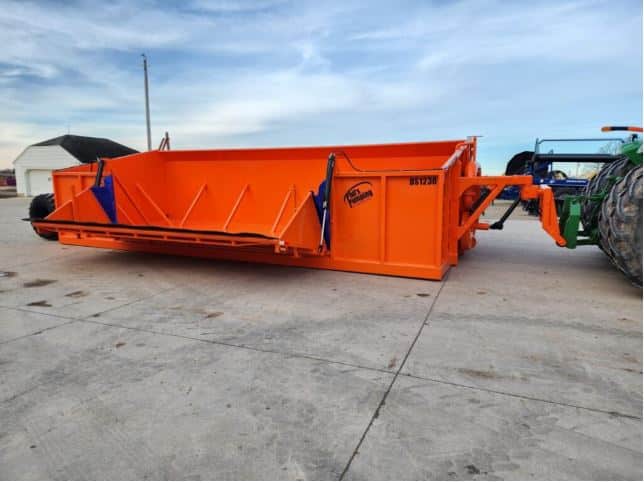
A manure transfer dump station keeps semi tankers unloading efficiently while the drag hose manure application continues without delay.
Drag hose systems rely on uninterrupted flow to maximize acres covered per day. Transfer dump stations eliminate the downtime that occurs when switching between hauling and pumping.
With a dump station in place:
- Tankers unload quickly and safely
- Pumps receive steady, regulated intake
- Drag hose application continues without stopping
This setup allows hauling, pumping, and field application to operate as a coordinated system rather than competing processes.
Designed for Semi Tanker Unloading
Transfer dump stations are engineered to handle:
- High-volume liquid manure
- Rapid unloading from semi tankers
- Repeated, daily use during application windows
With 10,000 to 16,000 gallons of capacity, the station allows semi tankers to unload and keep moving without waiting, preventing bottlenecks and keeping hauling fleets productive during peak application periods.
Seamless Integration with Pumps and Drag Hose Systems
Once manure enters the transfer dump station, it feeds directly into:
- Primary manure pumps
- Booster pumps (if required)
- Drag the hose, mainline, and applicator systems
This configuration supports:
- Long hose runs
- High flow rates
- Consistent pressure on the toolbar
The result is uniform nutrient application and fewer interruptions in the field.
Operational Benefits for Large-Scale Farms
Using a manure transfer dump station delivers measurable advantages:
- Faster tanker turnaround times
- No waiting on pumps or applicators
- Higher acres covered per day
- Improved coordination between hauling and application crews
This efficiency is critical during tight weather and regulatory windows—where keeping things moving at the speed of agriculture matters most.
Built for High-Flow, High-Demand Conditions
Phil’s Pumping & Fabrication transfer dump stations are built for:
- Heavy liquid loads
- Continuous pumping conditions
- Demanding field seasons
Heavy-duty steel construction and farm-duty fabrication ensure reliability under constant, high-volume use.
Choosing the Right Transfer Dump Station
Key considerations include:
- Semi tanker unloading rates
- Pump size and intake requirements
- Desired drag hose flow rate
- Field layout and application distance
Proper sizing ensures smooth flow without surging or starving the pump.
Conclusion
A manure transfer dump station—also known as a Manure Dumpster for Large Livestock—is a critical link between hauling and drag hose application. By allowing semi tankers to unload liquid manure directly into a pump feeding a drag hose system—and by providing 10,000–16,000 gallons of capacity to prevent tanker delays—transfer dump stations keep manure moving efficiently from road to field. For operations running drag hose systems at scale, a properly designed transfer dump station keeps the entire operation moving at the speed modern agriculture demands.
The right farm dumpster solution keeps barns and equipment yards clean, safe, and accessible. Learn how smart waste management supports better farming.
🔗 Visit the link on Instagram
Frequently Asked Questions
How does a manure transfer dump station improve efficiency?
It allows semi tankers to unload quickly and keep moving while manure is immediately pumped into the drag hose system—eliminating downtime and bottlenecks.
Is a transfer dump station used for manure storage?
No. It is designed for short-term intake and continuous transfer, not long-term storage.
What size transfer dump stations are available?
Common configurations range from 10,000 to 16,000 gallons, providing enough capacity to buffer tanker unloading without slowing application.
Can multiple semi-tankers unload during active pumping?
Yes. The station’s capacity allows tankers to unload while pumping continues, keeping hauling fleets productive.
Does a transfer dump station replace manure pits or lagoons?
No. It complements existing storage by acting as a transfer point between hauling and drag hose application.
What systems does a transfer dump station work with?
They integrate directly with high-volume manure pumps, booster pumps, drag hose mainlines, and toolbar application systems.