
Best Practices for Operating a Liquid Manure Pump Safely
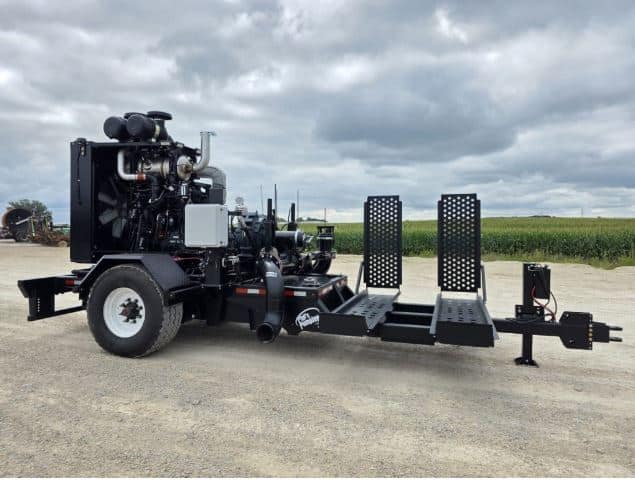
Engine-driven liquid manure pump designed for safe, efficient slurry transfer from pits and lagoons
Best Liquid Manure Pump
Safe operation of a liquid manure pump is essential for protecting employees, preventing accidents, and ensuring equipment longevity. Whether you are purchasing new Manure Pumps for Sale or operating the pumps you already own, following proper safety procedures keeps manure pumping efficient and hazard-free.
Liquid Manure Pumps and Their Purpose
A liquid manure pump moves slurry manure from storage—such as pits, lagoons, and tanks—to hauling equipment or field application systems. Because these pumps handle thick material that may contain solids, sand, and organic debris, they must be operated carefully and paired with equipment that matches your farm’s manure type and flow needs.
Pre-Operation Safety Checks
Before starting any pump, complete a full inspection:
- Examine hoses, fittings, and couplers for cracks, wear, or leaks.
- Ensure all guards and shields are in place.
- Confirm the pump is set on stable ground and properly secured.
- Clear the pumping zone of people, livestock, tools, and obstructions.
A few minutes of pre-operation checks can prevent major breakdowns or injuries.
Personal Safety Measures
Working around manure storage comes with risks such as toxic gases, slippery surfaces, and confined areas. Always:
- Wear protective gloves, waterproof boots, and eye protection.
- Use personal gas monitors when working near manure pits—gases like hydrogen sulfide and methane can accumulate quickly.
- Avoid entering manure pits under any circumstances unless professionally equipped and trained with proper respiratory gear.
- Keep all open flames, cigarettes, and sparks away from manure storage.
Personal protective equipment (PPE) and gas monitoring are non-negotiable for safe manure handling.
Best Pump Handling Practices
When operating the pump:
- Start at a low flow rate, then increase gradually.
- Agitate manure carefully to reduce sudden gas release.
- Monitor pressure gauges and flow meters for irregular activity.
- Listen and watch for unusual noises, vibrations, or leaks.
- Shut down immediately if anything operates abnormally.
Stable, controlled pumping protects both workers and equipment.
General Safety Guidelines
For every pumping job, follow these core procedures:
- Make sure all people and animals are clear of the pumping area before starting.
- Wear gas monitors, boots, gloves, and eye protection.
- Ensure proper ventilation before and during pumping, especially in enclosed spaces.
- Prevent ignition sources—no flames, welding, smoking, or sparks near manure.
- Inspect and service equipment before use.
- Never leave an operating pump unattended.
- Shut off the pump immediately if any malfunction is detected.
Consistent routines build safer pumping habits.
Servicing Your Manure Pump
Routine maintenance is essential for long-term performance:
- Rinse the pump and hoses after each use to prevent solids buildup.
- Check seals, fittings, and hoses regularly for wear.
- Lubricate moving parts and inspect impellers or chopper blades.
- Verify the accuracy of flow meters and adjust when necessary.
- Follow the manufacturer’s maintenance schedule for tune-ups and part replacements.
A well-maintained pump lasts longer, works better, and is safer for operators.
Selecting the Right Manure Pump
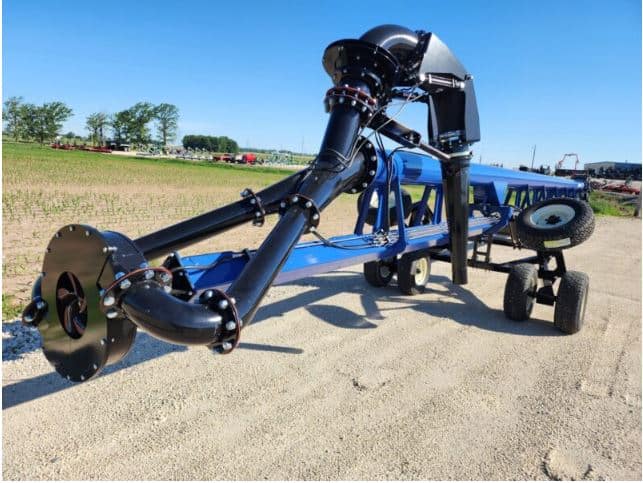
PTO-driven manure pump with extended reach for smooth agitation and safe liquid manure handling
When reviewing Manure Pumps for Sale, consider:
- Capacity and horsepower relative to your herd size and manure consistency
- Pump type (agitator, chopper, or transfer)
- Power source (typically PTO-driven or engine-driven—electric pumps are uncommon for manure operations)
- Durability for handling sand, solids, and abrasive material
- Ease of service and availability of replacement parts
Choosing the right pump ensures efficient, safe manure management for years to come.
Conclusion
Safe operation of a Liquid Manure Pump Solutions is not just a recommendation—it’s essential for protecting workers, equipment, and your overall farm operation. By knowing your pump, performing safety checks, wearing proper PPE, following careful pumping practices, and maintaining equipment regularly, you create a safer, more efficient manure handling process. Whether you are researching Manure Pumps for Sale or improving how you use your current equipment, these safety practices lead to a more productive and secure working environment.
Safe liquid manure pump handling, gas monitoring, and maintenance tips help improve farm efficiency—share and learn more on Instagram.
FAQs
What protective equipment should I wear when pumping liquid manure?
Gloves, goggles, waterproof boots, and a personal gas monitor are essential. Respiratory protection should be used when working near manure pits.
How can I reduce exposure to hazardous gases?
Ensure strong ventilation, use gas monitors, and keep all ignition sources away from manure pits.
Can a manure pump operate without supervision?
No. A pump should always be monitored to catch leaks, blockages, or pressure issues immediately.
How often should I clean my manure pump?
Rinse and clean after every use and follow the manufacturer’s recommended maintenance schedule.
What should I consider when buying a manure pump?
Look at pump capacity, durability, manure type compatibility, and how easy it is to service.