What to Look for When Buying Dragline Manure Equipment for Sale
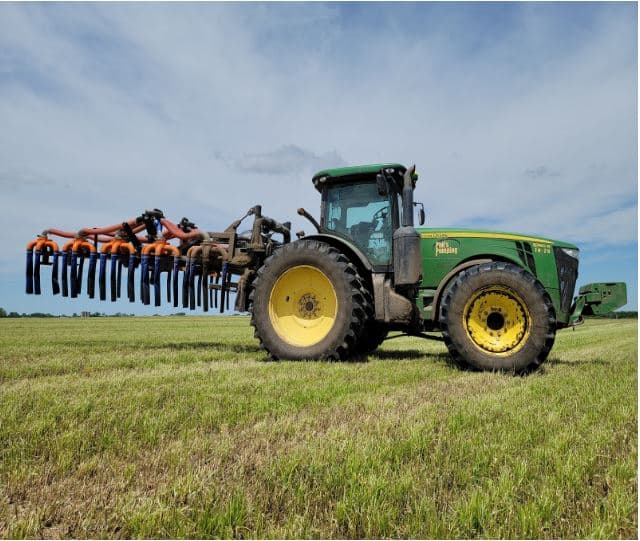
High-quality dragline manure system designed for uniform spreading, reduced soil compaction, and faster field coverage
Buy Dragline Manure Equipment
Shopping for dragline manure best equipment for sale can dramatically improve how quickly, cleanly, and efficiently you move and apply manure. When paired with a well-matched manure tanker or pump setup, a dragline system reduces stress on equipment and operators while boosting productivity during the busiest seasons.
What Is So Significant About Dragline Manure Equipment?
Dragline manure systems pump manure directly from your pit or lagoon to the field using long runs of layflat hose and drag hose—eliminating the need for repeated tanker loads. This method:
- Saves hours of hauling time
- Reduces fuel use
- Covers more acres in a shorter window
- Minimizes soil compaction, since fewer heavy machines travel through the field
A well-built dragline setup also applies manure more uniformly, improving nutrient placement and crop performance.
The Significant Things to Look for in Dragline Equipment
Strength & Build Quality
A dragline system must withstand pressure, dragging, bending, and thousands of feet of movement. Look for:
- Reinforced frames on pump stands
- Heavy-duty hose reels
- Solid welds and durable steel on support equipment
Nothing should feel flimsy—dragline systems work hard and must handle demanding conditions.
Hoses Matter
Your hose choice is one of the most critical decisions. Look for:
- High-quality layflat supply hose
- Durable drag hose made for constant movement
- UV-resistant, abrasion-resistant hose construction
- Hose that resists kinking or cracking during long pumping hours
Good hose can make or break your entire operation.
Toolbar and Pump Basics
Toolbars
The toolbar is responsible for evenly distributing manure across the soil surface or injection zone. Look for:
- Consistent distribution design
- Adjustable features to match soil types and field conditions
- A strong frame built to handle constant flow and field stress
A good toolbar improves application uniformity and reduces plugging issues.
Pumps
The pump is the backbone of the dragline system. You want a pump that can:
- Move manure efficiently over long hose runs
- Maintain a steady, reliable pressure
- Handle thick slurry without frequent plugging
A high-flow, well-maintained pump keeps your system moving and prevents downtime caused by pressure drops or blockages, making it a critical component when choosing the Best Dragline Manure Equipment for Sale.
Inventory Checklist of Manure Tankers on Sale
If you also need a tanker—for support hauling, agitation assistance, or transport—evaluate it the same way you would any major farm investment.
Look for:
- A tank built from durable, corrosion-resistant materials
- Proper tank size matched to your tractor, terrain, and field distances
- Reliable valves, hoses, and fittings
- A trailer frame strong enough for repeated full-load operation
A tanker that is too large can be difficult to maneuver in hills or soft fields; conversely, one that is too small means inefficient time loss.
Condition and Maintenance
Before purchasing used equipment, inspect:
- All hoses for wear, soft spots, or cracking
- Valves and couplers for leaks
- Toolbar components for excessive rust or worn parts
- Pump seals and bearings
- Records of repairs or service history
A well-maintained used tanker or dragline system can outperform a poorly built new one—condition matters more than age.
Rent or Buy: Which Should Be More Prudent?
Renting
Renting is a great option if:
- You’re new to dragline work
- You want to test hose lengths, pump sizes, or toolbar setups
- You only apply manure a few times per year
Trying equipment on your own acres helps you determine what works best without the upfront commitment.
Buying
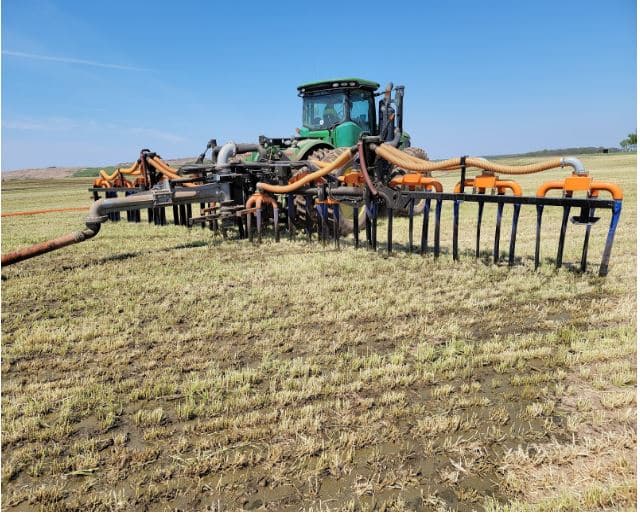
Advanced dragline manure system delivering consistent flow, reduced hauling time, and improved crop performance
Buying makes sense if:
- You apply manure regularly
- You want full control over timing
- You’re ready to invest long-term
Over time, ownership usually costs less than renting if the equipment is used each season.
Rudimentary Maintenance to Extend the Life of Equipment
Dragline equipment lasts far longer with simple, routine care:
- Rinse hoses after use when possible
- Inspect the rag hose and supply hose for wear points
- Grease moving parts regularly
- Check welds, pins, and bolts for fatigue
- Store equipment inside or shielded when possible
Good maintenance prevents mid-season breakdowns that can stop an entire crew.
Conclusion
When reviewing Dragline Manure Equipment for Sale, focus on strength, pump capacity, hose quality, usability, and how well the equipment fits your farm’s layout and manure volume. You don’t need the most expensive system—you need one that is rugged, dependable, and easy to operate and maintain. A smart purchase saves time, labor, fuel, and major headaches during the busy application window.
Looking for reliable dragline manure equipment? Check out our latest guide on Instagram for tips on choosing strong, durable, and efficient manure systems for any farm size.
FAQs
Why use dragline manure equipment?
Dragline systems pump manure directly to the field through hoses, saving time, reducing fuel costs, and minimizing soil compaction.
What size manure tanker should I buy?
Match the tank size to your manure volume, tractor power, and field conditions. Too big strains equipment; too small wastes time.
Is using manure equipment a good idea?
Yes—if it’s in good condition. Always inspect hoses, valves, frames, and service records before purchasing.
Is it better to rent or buy dragline equipment?
Rent if you’re just getting started or apply occasionally; buy if you spread regularly each season.
How often should pumps and hoses be serviced?
Inspect at the beginning and end of each season, and check hoses and pump seals often during use to prevent mid-season failures.