Dragline Manure Equipment for Sale: How to Choose the Right System for Your Soil Type
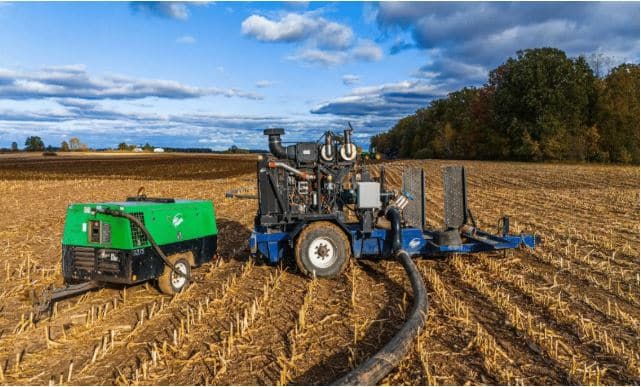
Proper dragline manure equipment improves nutrient efficiency while protecting soil structure during application
Dragline Systems
Soil type can influence manure efficiency by as much as 30–35 percent. Many farmers notice different results from field to field and wonder why nutrient response varies. In many cases, the answer starts with equipment selection. While dragline manure equipment for sale may appear similar at first glance, soil conditions should guide every decision when choosing the right dragline systems.
Hoisting Performance of the Dragline as Influenced by Soil Type
Soil characteristics determine nutrient movement, water retention, and compaction risk. Dragline equipment interacts directly with these factors during application. A system that performs well on one soil type may be less effective—or even damaging—on another. Dragline systems reduce heavy vehicle traffic, but hose weight, surface contact, and application method still influence soil health. Understanding how soil behaves under load helps prevent long-term damage.
There Are Risks When Sandy Soils are in Play
Sandy soils drain quickly and resist compaction, but allow nutrients to leach more easily. Application timing and rate control are critical. Dragline systems work well in sandy terrain when hose drag is minimized, and flow is precisely controlled. Smooth hose movement reduces surface disturbance, while consistent application allows nutrients to be absorbed before leaching occurs. When evaluating dragline manure equipment for sale for sandy soils, precision and control should take priority over raw pumping capacity.
No cohesive Clay Soils Require Protection against Compaction
Clay soils retain moisture and compact easily, especially under heavy equipment. Compaction restricts air movement and root development. Dragline systems help reduce compaction by minimizing vehicle passes across the field. This is especially valuable on clay-heavy farms. Low-pressure application tools and flexible hose construction further protect soil structure and reduce surface tearing, particularly under wetter conditions.
Loam Provides Balance, but Balance Still Needs Matching
Loam soils offer a balance of drainage and nutrient retention and respond well to evenly distributed manure. However, improper equipment selection can still disrupt soil structure. Medium-weight dragline systems paired with consistent pressure and flow provide uniform nutrient application. Even in ideal soil conditions, system size, hose length, and field layout must be matched correctly to maintain performance.
It’s All About the Soil Moisture
Soil moisture rapidly changes how soil responds to equipment. Wet clay compacts quickly, while dry sandy soils can allow runoff if application rates are too high. Dragline systems should be adjusted based on current moisture conditions. Proper timing reduces soil damage and nutrient loss. Flexible equipment allows operators to adapt to changing conditions and make better application decisions across all soil types.
Field Slope Soil Interaction
Sloped fields increase the risk of runoff, and soil texture determines how nutrients move downhill. Dragline systems provide consistent application across varying terrain, but hose routing plays a key role in pressure balance. Poor routing can cause pooling or uneven distribution. Evaluating slope and soil together helps ensure safe and effective system design, especially when you buy dragline manure equipment.
Design of the Hose is Important for Soil Protection
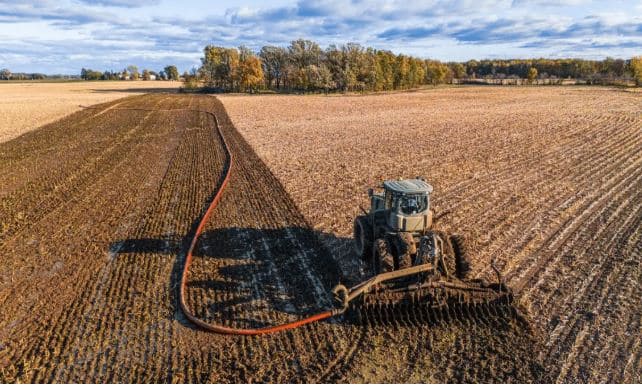
Dragline systems reduce field traffic and adapt manure application to different soil textures and moisture levels
Hose weight directly affects soil contact pressure. Heavier hoses increase drag and surface disturbance, while lighter hoses reduce friction and protect sensitive soils. Durable outer covers are important in abrasive conditions, and smooth internal linings support efficient flow. Hose design should match soil sensitivity, terrain, and frequency of use to protect soil structure and maximize nutrient efficiency.
Application Technique and Soil Reaction
Surface application works well in certain soil conditions, while injection reduces odor and nutrient loss. Soil texture influences injection performance. Wet clay soils may resist injection, while sandy soils are easier to penetrate. Selecting compatible application equipment allows flexibility across varying conditions. The right technique preserves soil health and improves nutrient value.
Long-Term Soil Health and Yield Sustainability
Compaction is a leading cause of long-term yield decline. Dragline systems reduce axle loads compared to tanker systems, helping preserve soil structure. Healthy soils absorb nutrients more effectively and support root growth and water movement. Protecting soil structure today supports consistent yields over the long term.
Factors beyond the Purchase Price to Weigh in Your Decision
Upfront cost often drives equipment decisions, but soil damage creates hidden expenses. Compaction, nutrient loss, and remediation increase long-term costs. When evaluating dragline manure equipment for sale, consider the value of soil protection alongside performance. Equipment that preserves soil integrity typically delivers greater returns over time.
Choose Right, Just Do with Confidence
Start with soil testing and field mapping. Identify dominant soil types, slopes, and problem areas. Match hose weight, system size, and application method accordingly. When exploring equipment for sale for farms, ask detailed questions before purchasing and focus on soil impact and efficiency. Informed decisions improve performance and protect long-term value.
Let Soil Type Guide the Decision
Each soil type responds differently to manure application. The true value of dragline manure equipment for sale is revealed when matched correctly to soil conditions. Choosing wisely protects soil health, improves nutrient efficiency, and supports long-term farm success.
Optimize your manure efficiency by matching dragline equipment to your soil type! Protect soil health and boost yields. Check our guide on Instagram
Frequently Asked Questions
Which soil benefits most from dragline systems?
Clay soils benefit significantly due to reduced field traffic and lower compaction risk.
Are dragline systems suitable for sandy soils?
Yes, when paired with proper flow control and lightweight hose designs.
What is the effect of soil moisture on dragline use?
Wet soils increase compaction risk and should be approached with careful timing.
Can dragline systems be used on sloping fields?
Yes, with proper hose routing and pressure management.
Is there a soil difference in nutrient efficiency?
Yes, soil texture directly affects nutrient movement and absorption.